Soffit and Fascia Repair in Overland Park, KS
The fascia behind your gutter and the soffit under your eave fail together, so the repair handles both.
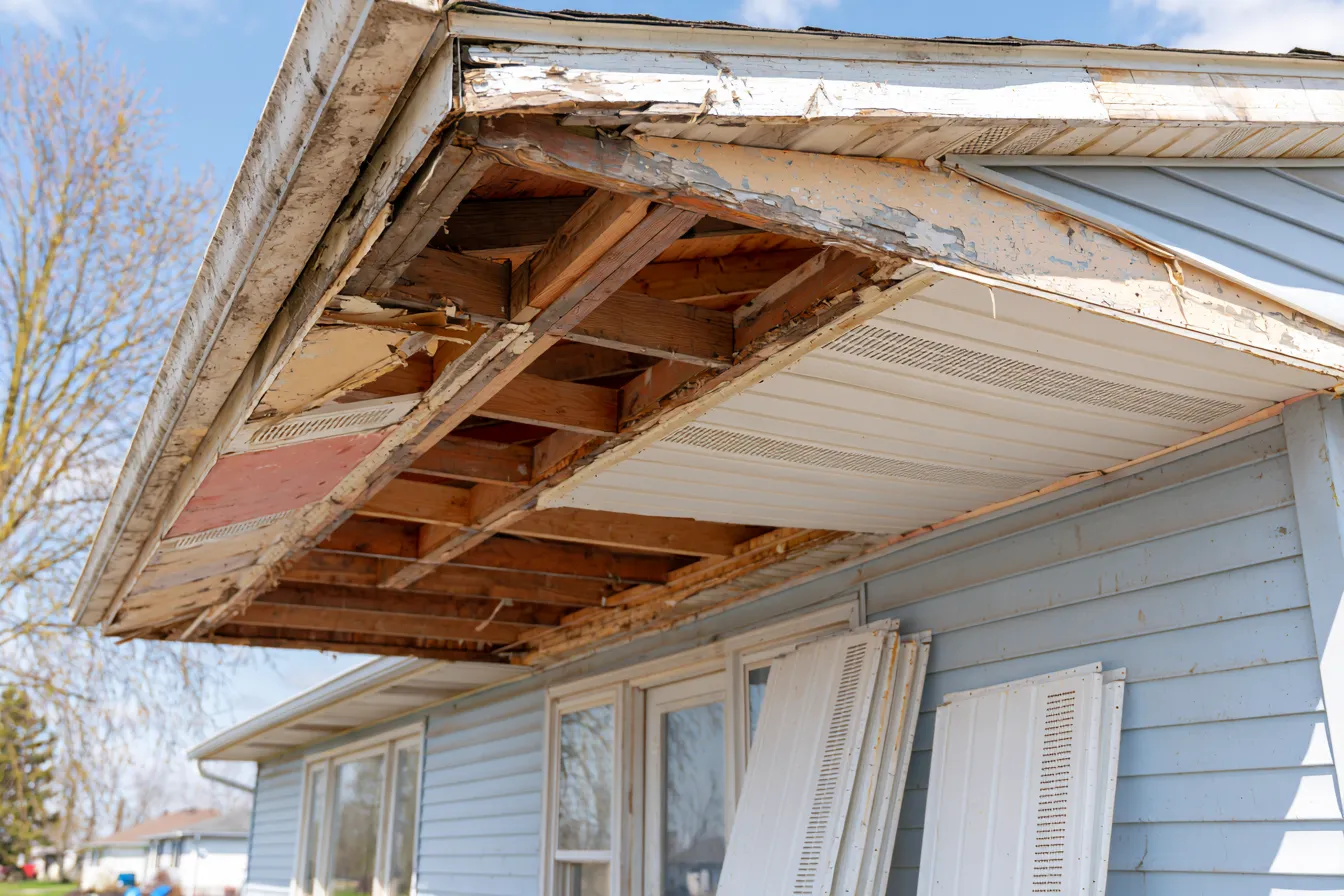
Fascia and soffit fail together, so an Overland Park quote covers both
Is this Overland Park Summit Roofing's kind of job? Often it is, and when it isn't, you'll hear that too, on the same estimate a whole roof would get.
Left alone, an eave doesn't hold still. The soft spot you can press a thumb into this fall is a loose gutter by spring, and by the second winter it costs more to fix. Half the houses in 66213 went up before 1994 and half after, so most of these eaves are aluminum-wrapped fascia with vented vinyl soffit, and older parts of town more often have painted wood.
The 1994 figure is the median year built in ZIP code 66213, from the American Community Survey. It describes that ZIP, not the city.
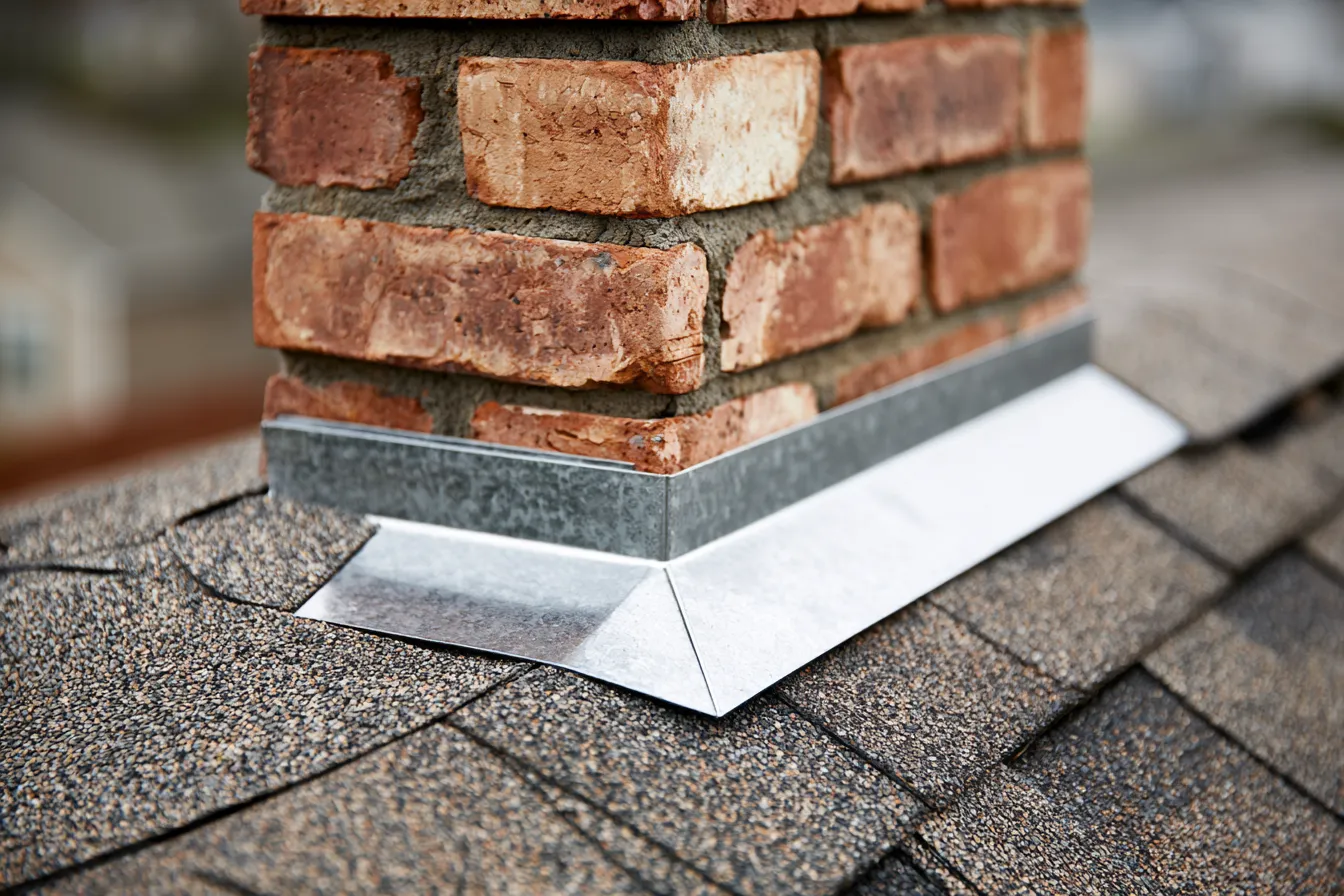
Gutter comes down before the fascia board comes off
You can follow this one from the ground, and it runs in a fixed order because each layer is fastened through the layer behind it. It starts and ends at the gutter, whose screws pass through the board that's coming out, so a sound gutter comes down whole and goes back up.
- ·Gutter and hangers off
- The gutter is screwed through the fascia, so down it comes first, and it's set aside if it's still sound. That's also your first look at the back of the board and the drip edge behind it, and that is usually where rot starts.
- ·Rotten fascia cut out
- Our roofer cuts back past the soft wood to solid material, usually as far as the next rafter tail, so the joint lands on something that will hold a fastener. How far that cut travels is what turns one board into a whole run, and nobody's going to know until the saw is in the wood.
- ·Sub-fascia and rafter tails checked
- Rot rarely stops at the face board. You get photos of the rafter tails and the sub-fascia behind it while the eave is still apart, and that's the one stretch of the job when either is reachable.
- ·New board set and primed on every face
- Primer on all six faces, cut ends and back included, is what keeps the next board from rotting from behind where you'd never see it start. Board that arrives pre-primed still needs its fresh cuts sealed, because every cut opens raw end grain that drinks water.
- ·Soffit panels and vents refit
- Panels go back with the vent openings clear, and any insulation shoved into the overhang comes back off them. Vented and solid panels usually alternate along a run, so a solid one going back where a vented one belongs closes off that bay and you won't see it from the ground.
- ·Gutter rehung and repitched
- The gutter goes back on the new board with a fall toward the downspout, since a gutter that's holding water is how the last board rotted. A quarter inch of fall over ten feet is the usual target, and the hangers go into fresh wood instead of the old screw holes.
Work this out of order and a fresh fascia board carries the same rot two winters on. And if the wood turns out sound and the gutter is what's failing, that's a smaller job than this one.
Paint blistering above the gutter usually means water
Every one of these shows from the ground, so the eave is one of the few roof problems you can survey yourself. Walk the gutter line first, then get in close and look up under the overhang, because you won't see the same half of the story from both spots.
- Paint blistering, peeling or lifting on the fascia board, most often right above where the gutter meets it
- A gutter line sagging between hangers, or a hanger that's pulled its screw out of the wood
- Soft or dark wood at an outside corner, where two boards meet and water finds the joint
- Gaps, drooping panels or daylight in the soffit when you stand under it and look up
- Birds, wasps or squirrels working in the overhang, which means they found an opening before you did
- Insulation shoved against the soffit vents from inside, which starves the attic and is worth fixing while the panels are off
That last one ties these boards to the roof over them. If your attic runs hot and you've never known why, a blocked eave vent is the usual answer, and roof ventilation covers what it costs you in shingle life.
Linear feet price an eave job
Roofing is normally priced by the square, meaning one hundred square feet of surface. Eave work is the exception: you're paying by the running foot of board, so what counts is how much perimeter your house has and how far off the ground it sits.
The figures below are national planning ranges, which makes them a sanity check on a quote and nothing more. If the eave turns out to be a symptom of the roof over it, what a new roof costs here is the page you'll want.
See full replacement costs- Soffit and fascia together run about $9 to $34 per linear foot nationally, and the spread is mostly wrap against wood. Vinyl or aluminum on a single-story eave sits near the bottom of it, painted wood two stories up near the top
- Fascia alone runs about $6 to $20 per linear foot, averaging near $14.60
- Soffit alone turns on whether new panel goes over the old boards or they come out first. Stripping them adds labor and a dump run, so ask which one your quote covers
- A whole-house eave job lands between roughly $900 and $6,800, and what moves it is wood against wrap, two-story access, and whether your gutters can go back up
Wood fascia, aluminum wrap, and other eave questions from Overland Park
Five things worth settling before you book an eave repair, from whether a patch will hold to what aluminum wrap does to the wood under it.
Can a rotten fascia board be patched instead of replaced?
Does wrapping fascia in aluminum fix rot?
Do the gutters have to come off?
Can soffit vents be added during the repair?
Who warrants fascia board replacement across the Kansas City metro?
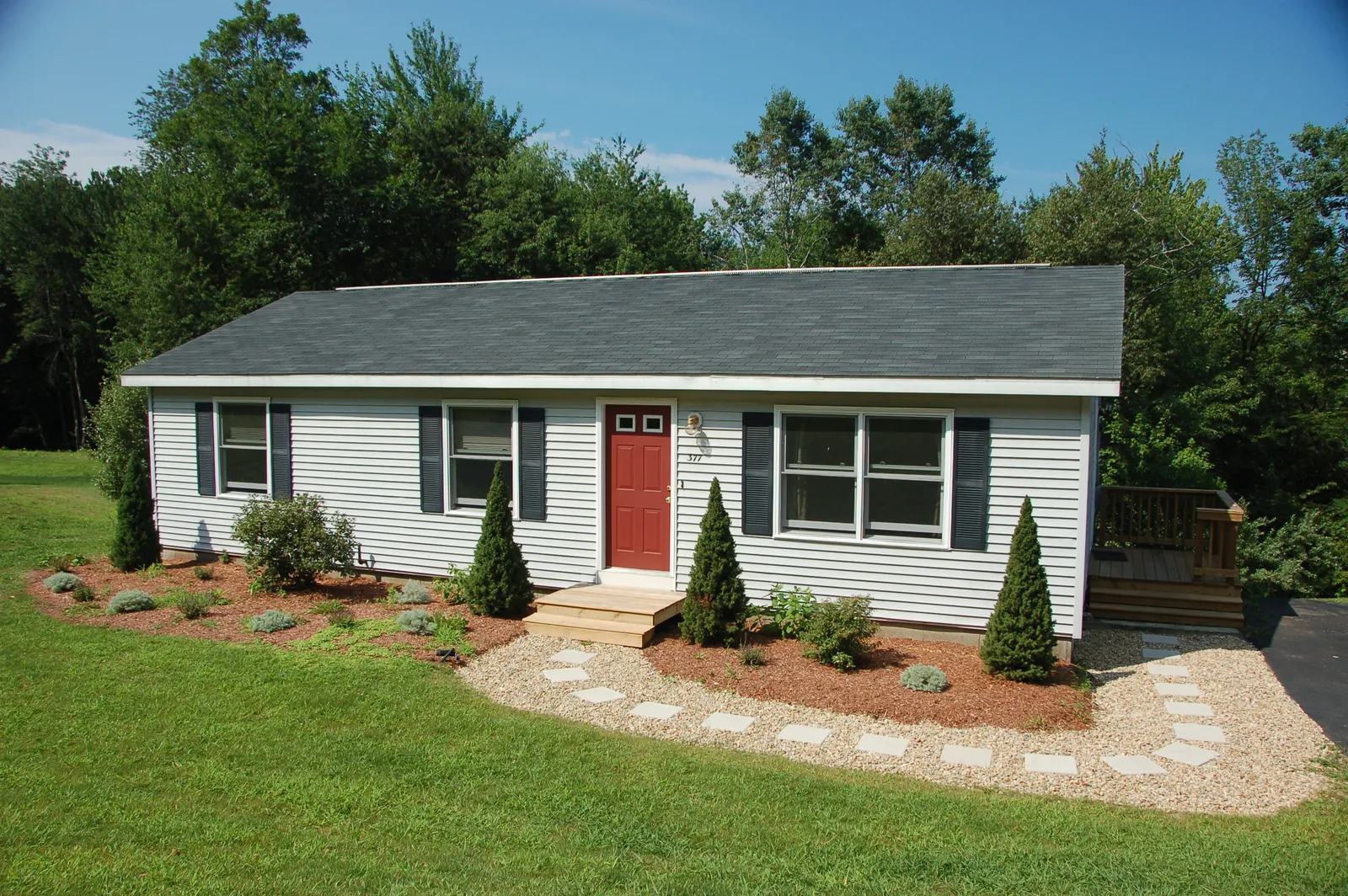
Ladder work belongs to the Overland Park roofer
You don't need a ladder to start this. Stand in the yard, photograph the eave line and the gutter, and send that in.
Our Overland Park roofer looks at what you send at no charge and puts a number on the length of eave that has to come off, so you can set that beside anybody else's before you say yes.
Prefer to talk? Call now: (913) 210-3890