Roofing Materials in Overland Park, KS
Asphalt, metal, shake, synthetic and tile. Which materials belong on a Johnson County roof, and what each costs.
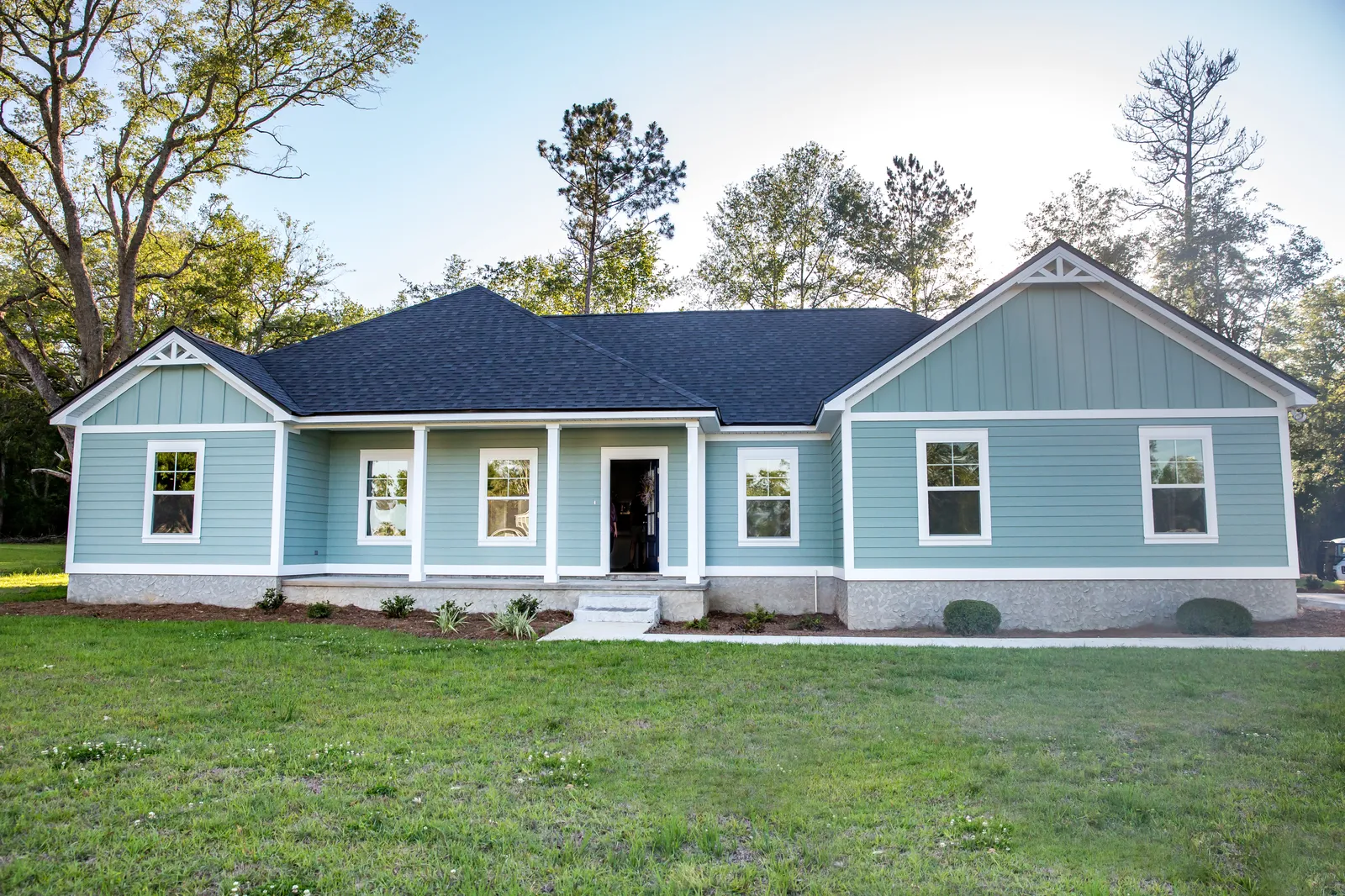
Six roofing materials leave most Overland Park homes two realistic finalists
If you're choosing a covering for a Johnson County house, you're almost always choosing between architectural asphalt and standing-seam metal.
The other four aren't out on looks. Cedar's upkeep never stops, clay tile turns brittle through the freeze-thaw cycles Kansas delivers every winter, and slate and concrete tile weigh more than framing built from the 1980s through the 2000s was sized to carry. All six are here with their numbers attached, and you can have the same comparison itemized against your own roof whenever you want it. Which shingle goes on an asphalt roof is its own decision, and the shingle options guide covers that.
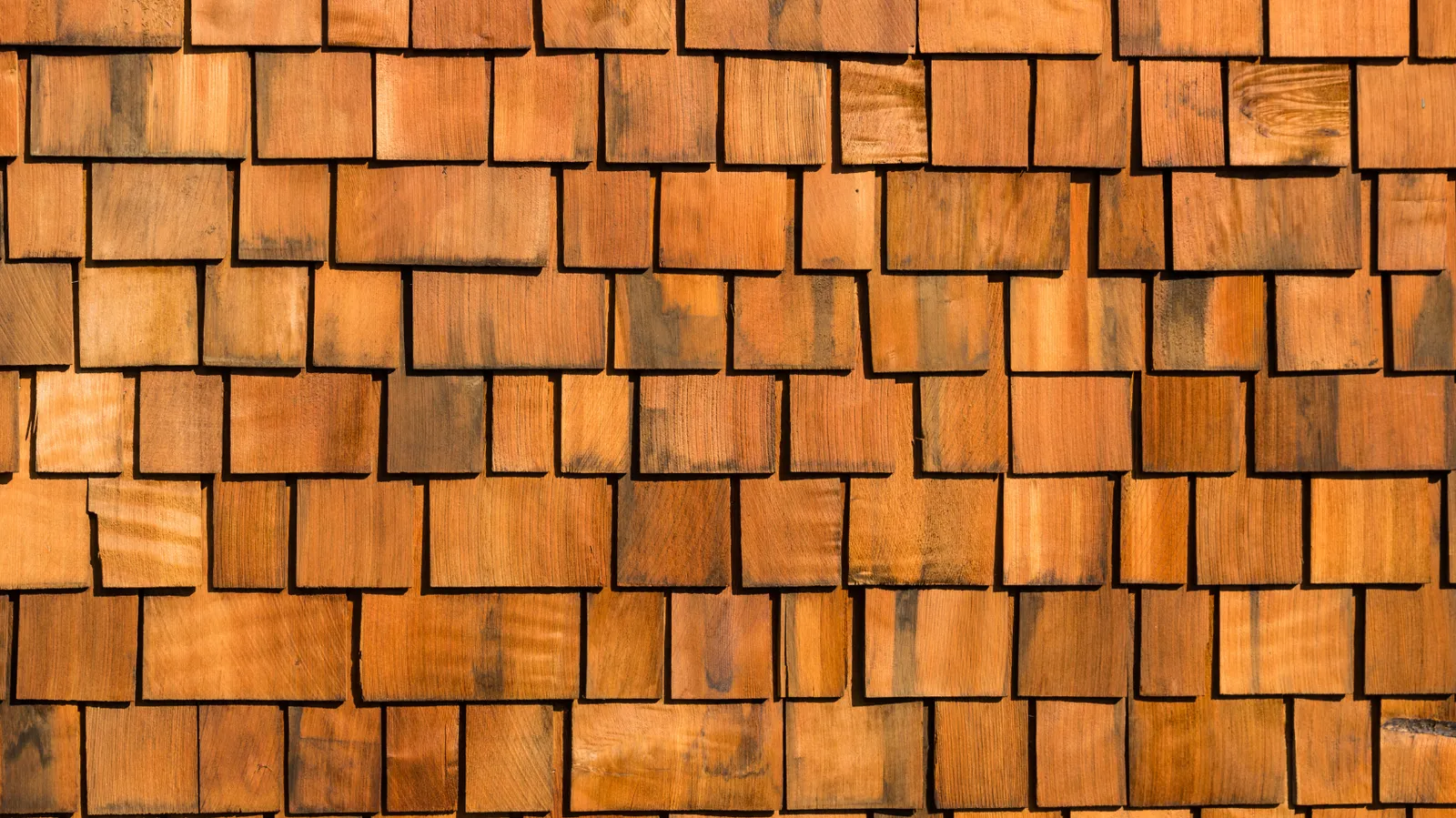
Longest-lasting or cheapest, six materials with their numbers attached
Each card carries how long that covering lasts, what it costs, what it asks of your framing, and how it behaves in hail and freeze-thaw. The architectural asphalt and standing-seam figures are Kansas City metro brackets for a whole roof of 24 squares, about 2,400 square feet. The other four carry national per-square ranges and no Kansas City figure behind them. Neither kind is an Overland Park price, and neither is a quote. If you want what a whole roof comes to on your own house, that's on the cost page.
Architectural asphalt
What most Johnson County houses already wear, and it's the most covering you get for the money. Installers for it are everywhere in this metro, so you've got room to compare bids.
Standing-seam metal
Panels held by concealed clips, with no screw heads sitting out in the weather. It outlasts two or three asphalt roofs on the same house, and you're paying several times as much for it up front.
Screw-down metal
Metal panels fastened with gasketed screws driven straight through the face. It's the cheaper metal, and those washers harden with age and need re-gasketing, so you're the one who keeps doing it.
Cedar shake
Sawn wood that weathers to a silver gray nothing else copies. The cleaning and treatment aren't optional, and shaded, damp slopes are where cedar goes wrong.
Synthetic slate or shake
Engineered to hold the slate or shake look at a fraction of the weight. It's what you reach for when the house can't carry the stone it's imitating.
Concrete tile
Long-lived and rated for high wind, and heavy enough that your framing has to be checked before anyone prices it. It's common in the Southwest for climate reasons that don't travel this far north.
* Warranty and insurance figures vary by product and carrier and get confirmed in writing before any work starts. Which manufacturer warranty applies comes down to the roof system that actually goes on.
Metal or asphalt for a Kansas winter and a Kansas hail season
This is the comparison you'll end up running, and the cheaper column wins it more often: if you won't be in the house past the life of one asphalt roof, architectural asphalt is usually your answer. Johnson County's storm record carries hail past three inches and straight-line wind near 90 mph, and the county storm record for both sits on the storm damage page. Both coverings come through years like that, and they fail in different ways.
| Architectural asphalt | Standing-seam metal | |
|---|---|---|
| Kansas City metro range, whole roof | ~$11,040 to $18,480 | ~$22,320 to $39,600 |
| Service life | About 20 years | 60 years or more |
| What large hail leaves behind | Bruising in the mat that widens over the seasons that follow | A dent in the panel. Dents are cosmetic and permanent, and a dented panel is normally still watertight |
| Snow and freeze-thaw | Ice can back up at a cold eave on any covering | Panels shed snow, which cuts the load sitting at the eave |
| Straight-line wind | Laminated for wind resistance and tested to an industry standard | Rated to about 140 mph, above the 89 mph on the county record |
| Rain noise | Muffled by the mat | Different from asphalt. Solid decking and underlayment bring it well down, and nobody should promise silence |
| Who installs it well | Nearly every roofing company in the metro | A smaller pool, and workmanship decides the outcome |
The asphalt and standing-seam figures are Kansas City metro planning brackets for a whole roof of 24 squares, about 2,400 square feet, worked from metro wage data. They are never quotes. Service-life figures come from a national home-components study and a metal industry field study. What your own roof costs comes from someone measuring it.
Best for Overland Park weather, or best for how long you stay
Five that come up more than any others once you're down to a short list.
Does a metal roof cut summer cooling costs?
Is tile realistic on a Johnson County house?
Can an ordinary house carry a slate roof?
Is a metal roof loud in the rain?
Can metal panels go over the existing shingles?
Both materials, priced on your own roof
The form and the number both reach our Overland Park roofer, who measures your slopes and prices the coverings that suit them. Asphalt and metal come back on the same estimate, side by side, so what you're comparing is your own house instead of a national average. Take it away and think it over for as long as you want.
Prefer to talk? Call now: (913) 210-3890
Cost bands here are planning brackets, two of them Kansas City metro and the rest national. Which covering fits your framing and pitch isn't settled from a page like this one; it's settled on the roof itself.
Answered for your own roof instead of a national average.