New Construction Roofing in Overland Park, KS
New construction has no old roof to argue about, so you make every roof decision up front, on the plans.
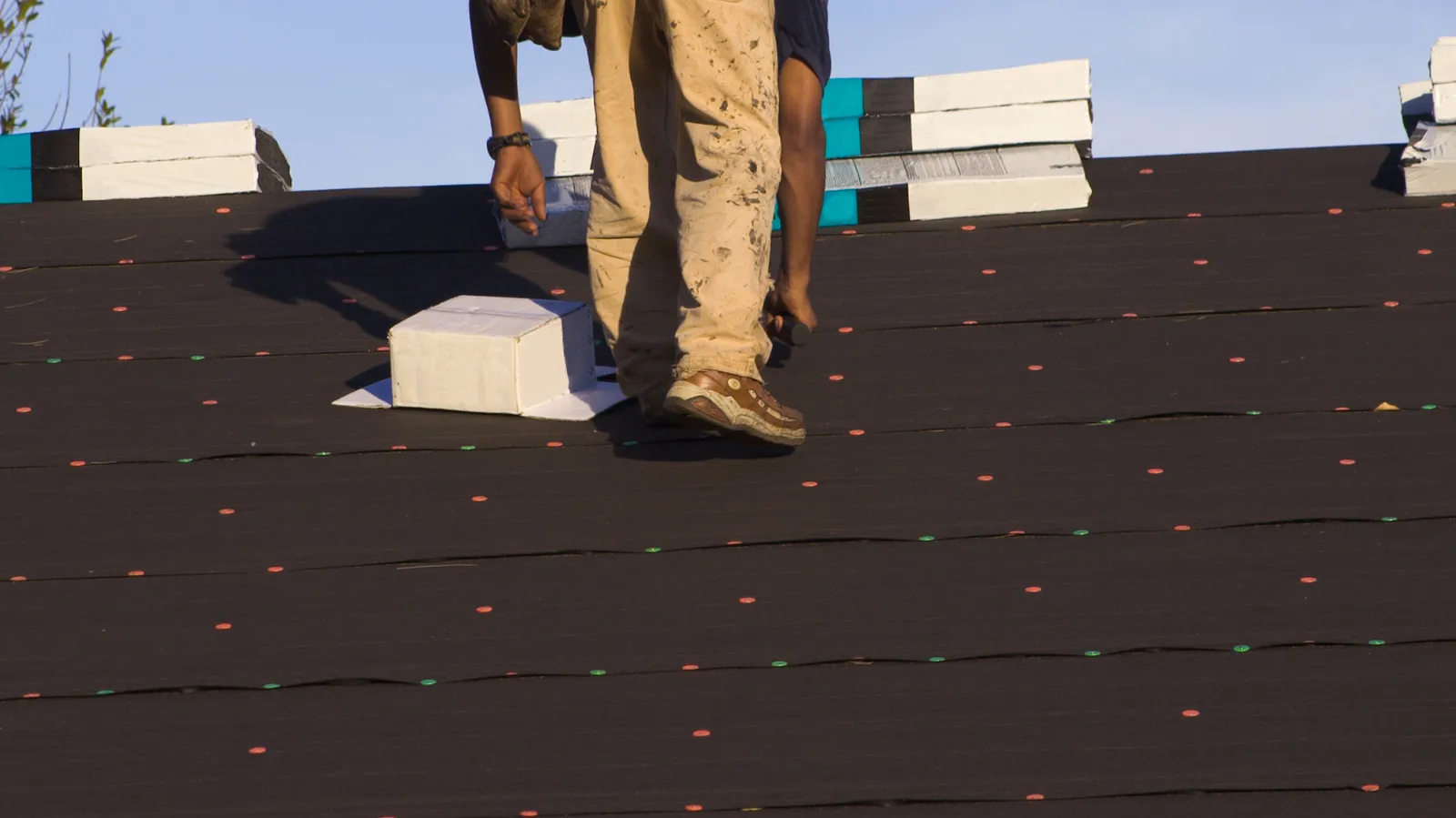
New construction roofing in Overland Park starts with a bare deck
Two people read this page: a builder buying a roof as one line of a house, and an owner watching their own house go up. A replacement opens with a tear-off and a surprise under the old covering. A new build opens with a clean deck and a drawing.
So what does that change for you? Every decision moves to the front of the job, and that's the only place you can still change one cheaply. Ask early and you'll hear it, including the answer that says the spec already on your plans is fine as it is.
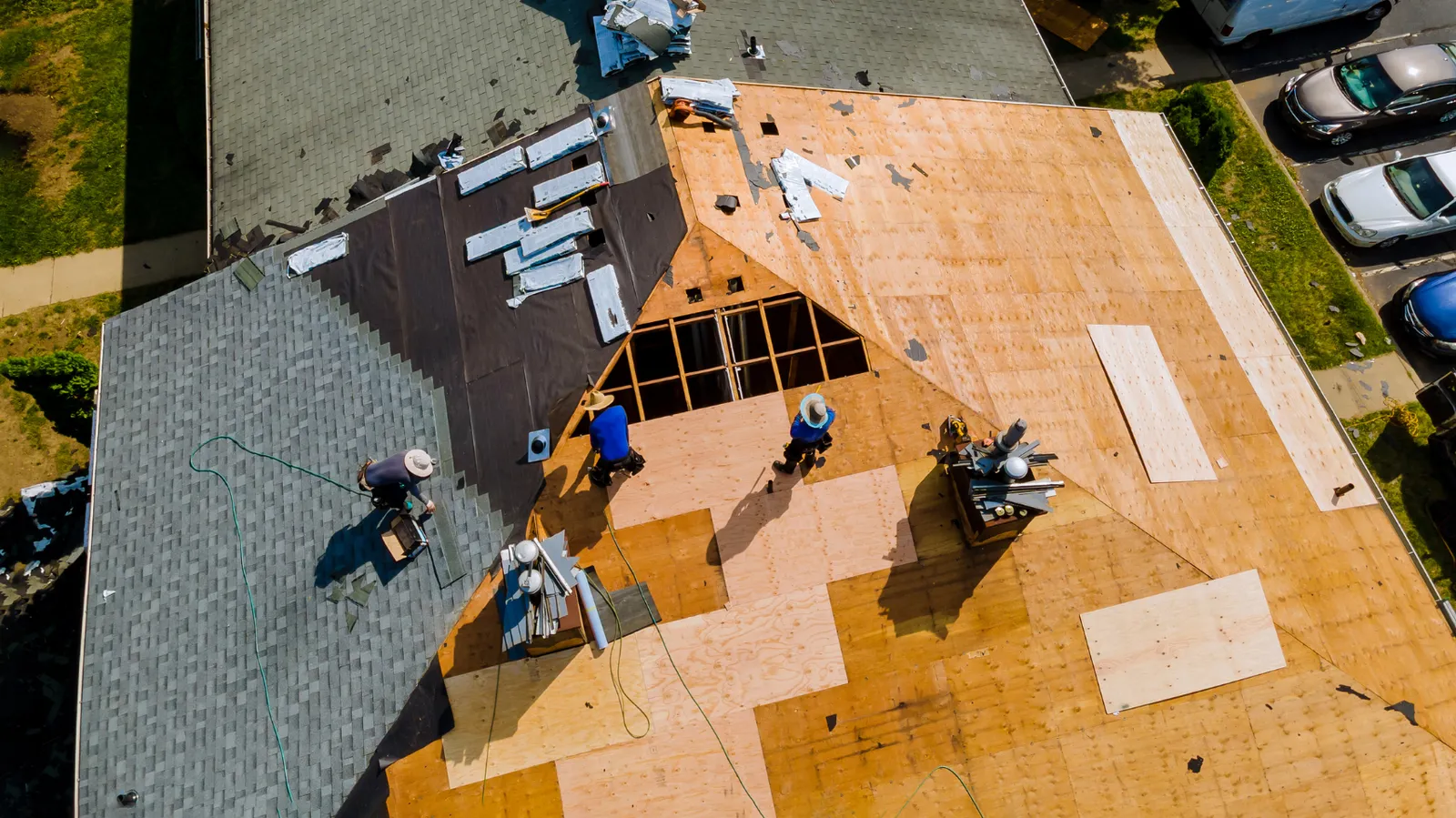
Layers go on in one fixed order, and skipping one shows later
A new roof is an assembly, and the order it goes on in is most of what you're paying for. This is the typical sequence on an asphalt roof, from the bare deck up.
- ·Drip edge at the eaves
- Bent metal along the lower edge, throwing water into the gutter and off the fascia board. At the eaves it belongs under the underlayment.
- ·Ice-and-water, then underlayment over the deck
- The self-adhering sheet seals the eaves, valleys and penetrations, closing around its own nails so ice-dam backup stays off the deck. Felt or synthetic then goes over the full deck, giving the whole roof a second water barrier.
- ·Drip edge at the rakes and the starter course
- The same metal runs the gable edges, this time over the underlayment, so the eaves go under and the rakes go over. Starter then bonds the first shingles down along both edges, where wind gets at a roof first.
- ·Field shingles, with the flashing woven in
- Courses run bottom to top and offset so seams never stack. Step flashing laps in course by course where your roof meets a wall, and new pipe boots go on as the shingles reach each penetration.
- ·Ridge vent and ridge cap
- The peak is cut, vented if the design calls for it, and finished with cap shingles made for the job instead of field shingles cut up on site. A ridge vent is also the whole attic ventilation decision, since mixing it with box vents lets the two fight each other instead of pulling air up from the soffits.
- ·Cleanup and a magnet sweep
- Debris goes out, the gutters get cleared, and a magnet run over the ground picks up the nails before anyone moves in. On a new build that sweep matters most over bare dirt and a fresh drive, where a dropped nail sinks out of sight instead of sitting on top of turf.
Drip-edge sequence and how far ice-and-water has to reach are code-driven and vary from one city to the next, so treat this as the typical order. A local roofer builds the assembly to the code your roof permit is issued under.
Roofers on an Overland Park build arrive after the framers
Roofing isn't the first trade on a new house and it isn't the last, and its slot in the schedule holds up everything indoors. Two of the steps below belong to other trades, and that's why your roof date moves with the framing and the rough-ins instead of on its own.
The framers sheet the deck
Trusses or rafters go up and the framers sheet them, and the roofer inherits whatever surface that leaves.
The plumber and the HVAC installer set their penetrations
Vent stacks and flues have to come through the deck before the roof closes, or somebody's cutting boots in afterward and the assembly starts compromised.
The roofer dries the house in
Underlayment and covering go on and the house is closed to weather. It's the short, loud stretch of the build, and nothing indoors finishes until it lands, so it drives the rest of your calendar.
Gutters and trim follow
Fascia, soffit and gutters go on last, sized to your roof and to what it sheds in a hard rain.
You can check the flashing before anyone covers it up
An owner on site gets a window a buyer of a finished house never gets: you can see the assembly while it's going on. Six things are worth walking out to look at, and you can point at any of them before the next layer covers them up.
- Ice-and-water at the eaves and valleys: the membrane should reach well past the exterior wall line, since that's the stretch an ice dam backs water into
- Step flashing lapped course by course: one long bent strip caulked against the wall is the shortcut it looks like
- New pipe boots: a reused boot on your brand-new roof is a split waiting for its third winter
- Starter strip at the rakes as well as the eaves: the gable edge is where wind starts lifting shingles
- Nails in the nailing zone and driven flush: high nails miss the strip and overdriven nails cut the shingle
- Soffit intake left open: insulation stuffed into the eave blocks the intake half of the ventilation and bakes your roof from underneath
Every one of these is easier to point at while it's happening than to argue about once the drywall is up.
Pitch and valleys set the number on an Overland Park build
A new-build roof carries no tear-off and no disposal, so what you're paying for is almost entirely geometry and labor. The floor area of the house tells you very little; the shape of the roof over it tells you nearly everything.
Get your new build estimate- Pitch, which turns a given floor area into far more roof than a shallow plan does
- Valleys, dormers, hips and every change of direction, each one hand-cut labor
- Penetrations: chimneys, vent stacks, skylights and anything else coming up through your deck
- The covering you choose at the plan stage, the one decision made only once
- No tear-off and no disposal, the one place a new build costs you less than a replacement
Storms reach new Overland Park roofs the same as old ones
Johnson County logged eighty-three hail reports of an inch or more across twelve hail days between 2023 and 2026, and the largest of them measured three and a half inches. Your two-month-old roof sits inside those numbers exactly like a 1985 one does. At the plan stage you answer that with an impact rating; after the fact you answer it with an insurance claim, because there's no warranty that covers weather.
Builders and homeowners ask these before the roof goes on
Who holds the workmanship warranty when the house sells?
Does the manufacturer warranty need registering, and who does it?
Who stands behind the roof if the builder's sub installed it?
Can a buyer choose the shingle when the builder bought the roof?
What happens if the deck takes rain before the roof goes on?
Is hail on a two-month-old roof a warranty claim?
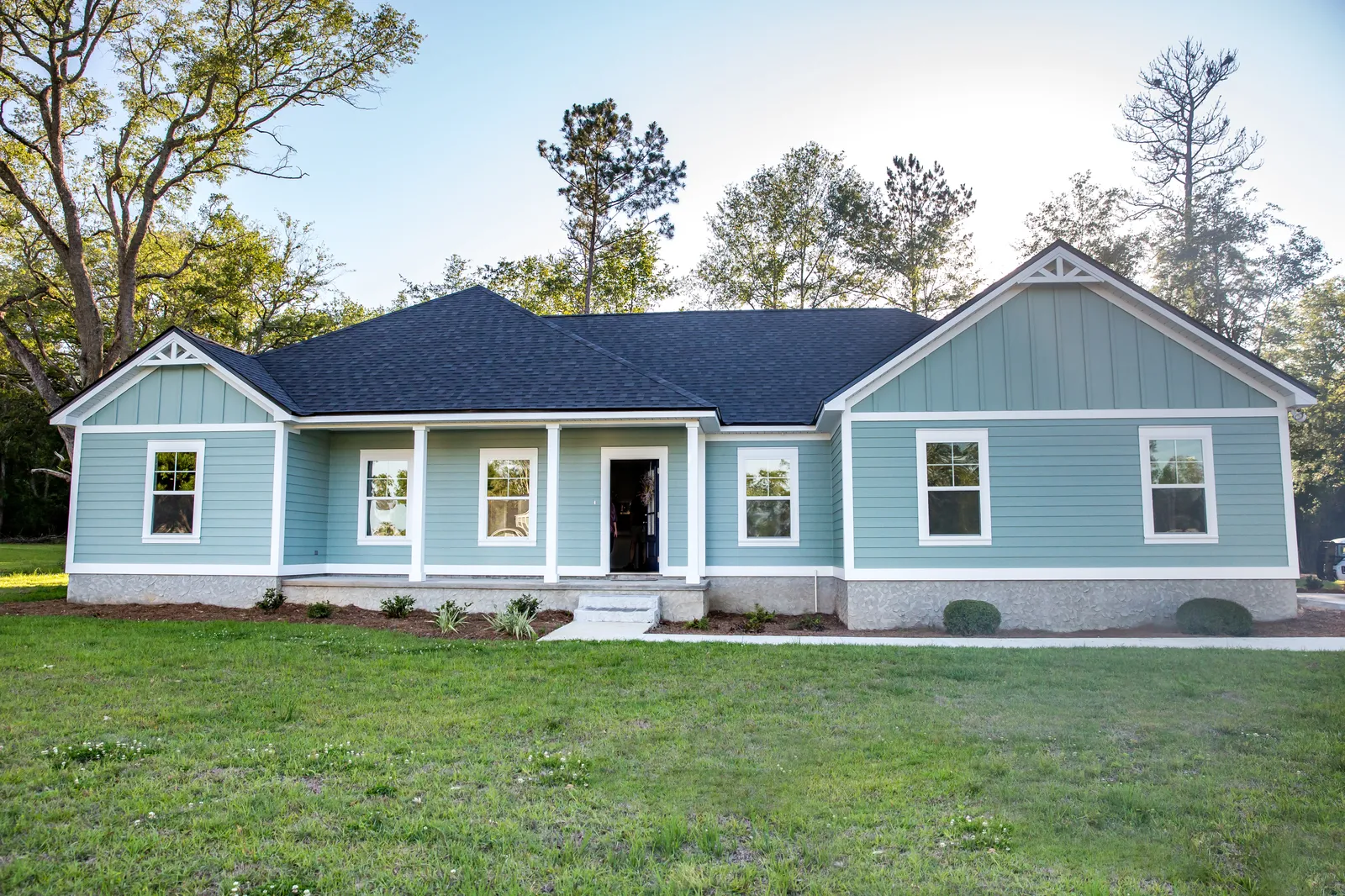
Whoever asks is who we deal with, builder or owner
Send the plans, or just the address if they aren't drawn yet, and our roofer prices the roof on them.
Whoever sends them is who our roofer works with from there, builder or owner, and that holds through the build. You get the pitch, the valleys, the covering and the ventilation priced at the plan stage, while all of it is still yours to change.
Prefer to talk? Call now: (913) 210-3890
Roofing on a new build is contracted with our roofer, who prices the work and carries the workmanship warranty.