Roof Repair in Overland Park, KS
You have found a stain, a lifted shingle or a drip, and you want to know what the repair takes.
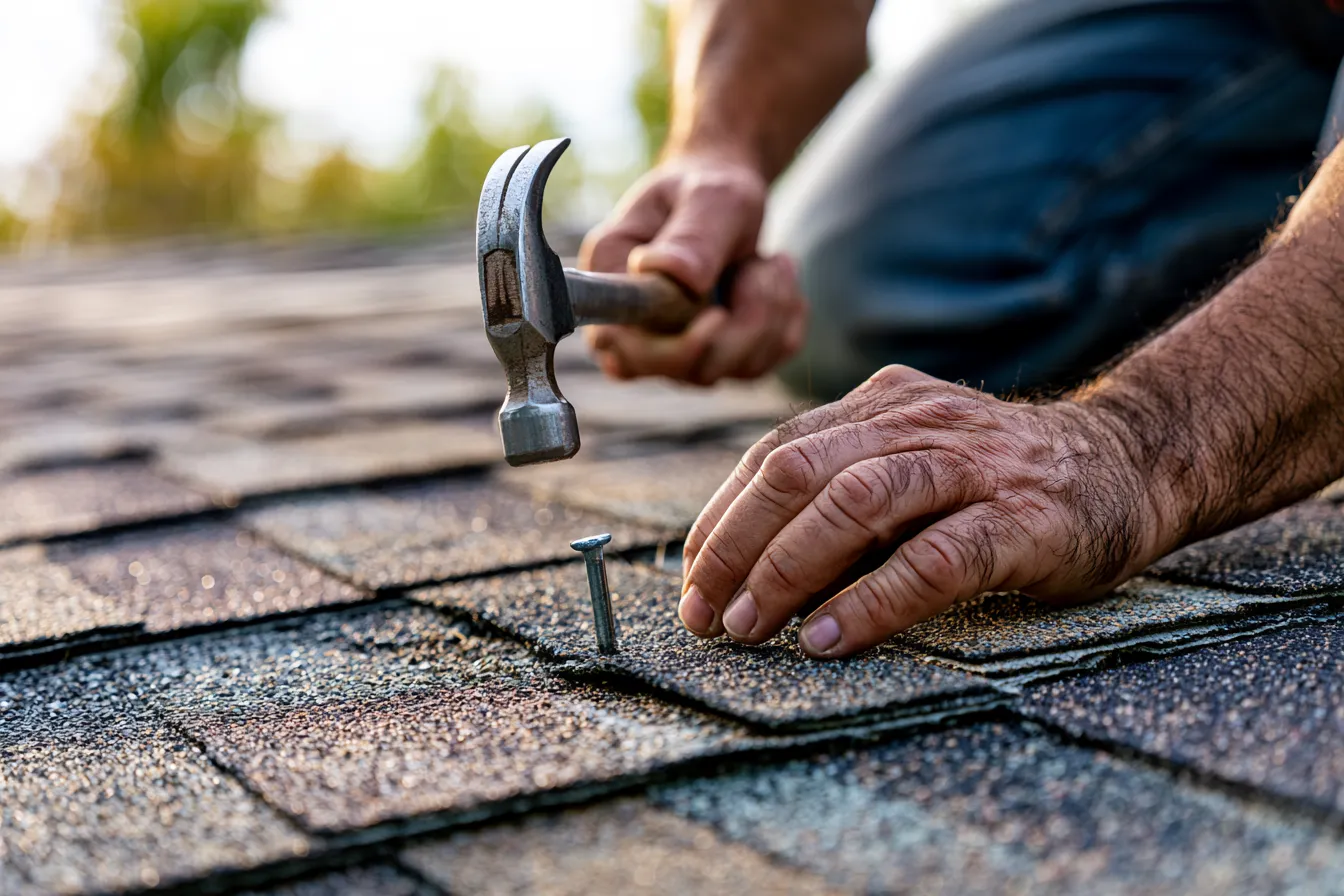
You've got one bad spot over your head and a decision to make about it, so which does Overland Park Summit Roofing think this is, a patch or a whole new roof? Usually the patch, because a roof gives out at one detail years before the covering itself is finished.
Whole streets around here carry that pattern. Johnson County's storm record carries straight-line winds near 90 mph, and a night like that creases one edge of a roof and leaves the rest of it perfectly sound. Storm week or quiet month, you'll hear the same thing about which of the two you have.
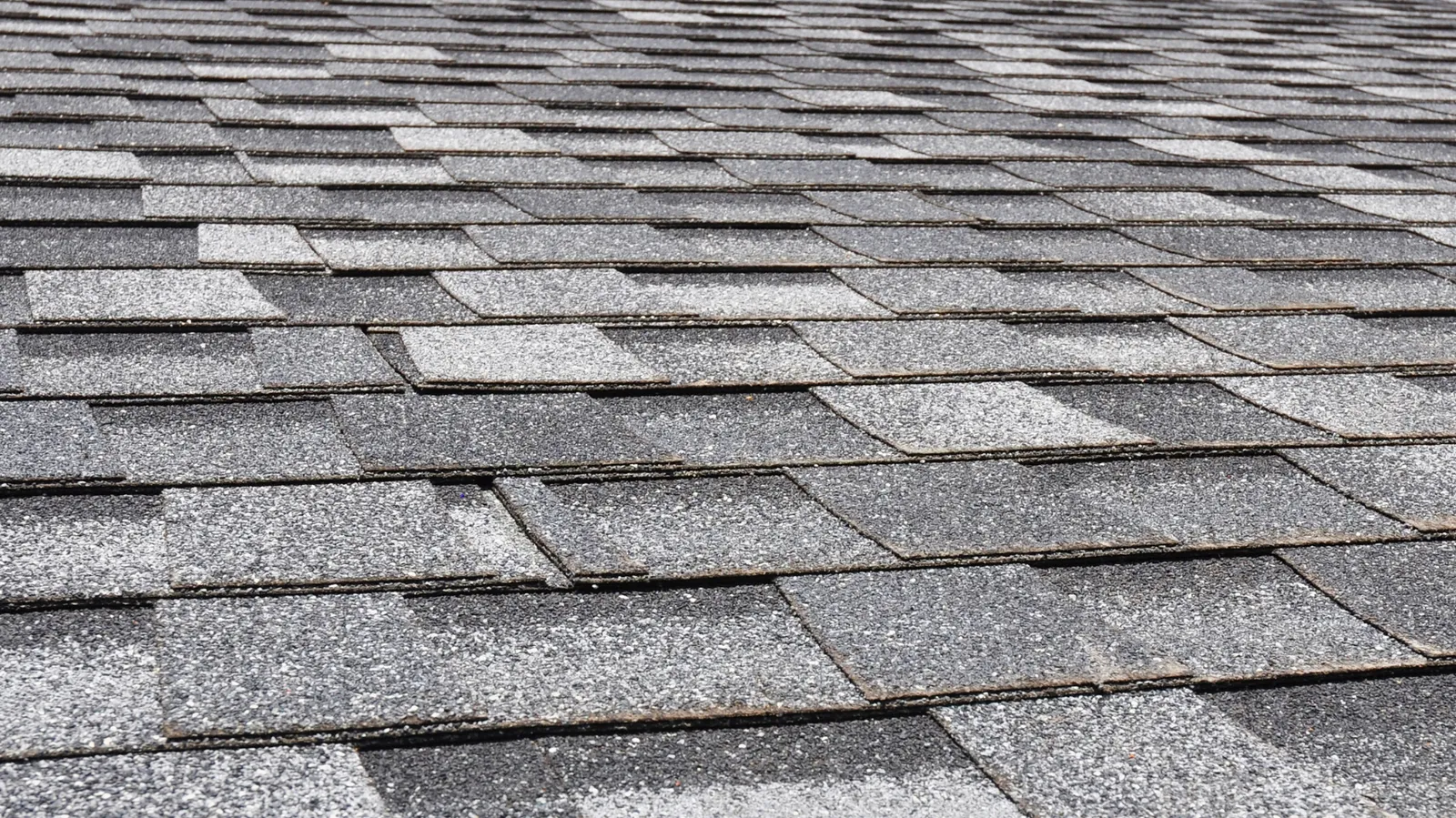
Roof repair in Overland Park, and where it stops
Most of what goes wrong up there is one detail letting go, and one detail is a repair. Here's the work that lives inside that description, and the place where your roof stops being a repair job.
- ·One traceable leak
- Water coming in at a single findable place, on a covering with service life left, is the simplest job on this list. Finding where it starts is most of the work, and the fix itself often isn't much.
- ·Flashing and pipe boots
- The metal at a wall or a chimney and the rubber collars around vent pipes give out long before the shingles around them do. Chimney flashing is its own piece of work on a roof that needs it.
- ·A wind patch on one slope
- Creased or missing shingles in one corner of one slope, on a roof that's otherwise sealed, get woven back in. What decides the size of your job is whether the seal broke anywhere else on that slope.
- ·Where it stops
- A field so brittle that lifting a shingle cracks it, two layers of shingles already on the deck, or decking that gives underfoot. Any of the three puts a repair out of reach, and it doesn't matter how small the leak looks.
That line runs on the roof itself and doesn't show from the driveway. Which side of it your roof sits on is the first thing an estimate has to answer.
Flashing, boots and valleys are where roofs leak
The order is fixed, and it's the whole standard: you get a name for what failed before you get a number for fixing it. Most small repairs are one visit plus a short return once the parts are in hand, and anything that opens up decking runs longer than that.
You point at the problem
The room it shows up in, when it started, and whether any weather came through before it did. Ground-level photos are plenty, and there's no reason for you to be on a ladder.
Our roofer walks the roof
One bad spot rarely arrives alone, so the walk takes in the penetrations, the valleys and the perimeter as well. You end up knowing about the second problem before it's a stain.
You hold the whole picture
One page carries the failure, the fix and the price, and it's yours to keep. Our roofer's workmanship coverage on the repair is named there too, alongside the manufacturer's coverage for any material going back up.
The stain is rarely under the actual hole
A mark on your ceiling shows where the water finally came through the plaster, and that's almost never where it got in. How many of these you can find matters more to the answer than any single one of them.
- Watch your stain after the rain stops: one that darkens hours later is still being fed from above, and one that doesn't change is old news.
- Look in your gutters for granules: a light scatter is normal wear, and a heap at one downspout points at one slope instead of the whole roof.
- Walk your yard after wind: shingle pieces on the grass mean a seal's let go somewhere, and where they landed narrows down which slope did it.
- Open your attic hatch on a dry day: damp sheathing or a rust ring around a nail shank tells you how long you've had this.
- Count every mark, including the older ones: two or three in different rooms in one season, and that's the pattern that changes the answer.
One of these on its own is a repair nearly every time. Three of them in different rooms inside a single season is your roof talking about its age instead, and that's a different question altogether.
Repair costs across Overland Park, and what shifts them
A repair bill tracks how much of the roof has to come apart to reach the failure, not how big the mark on your ceiling is. A repair figure on its own doesn't say much either; set beside what a whole new roof would cost, it starts to say whether the repair buys you enough years to be worth paying for.
Get your repair estimate- Small: a split pipe boot, a length of resealed flashing, or a handful of shingles woven back in. That's what most calls turn out to be, and it's the cheapest work there is on your roof.
- Middle: a valley rebuilt, a chimney seam redone, or a slope patched after wind. More of your roof comes apart, so more of what you're paying for is labor.
- Large: decking replaced where water's been sitting, which nobody can count until your shingles come off. That's the tier that turns a firm figure into a range with an allowance in it.
- The second time: a detail that's already been repaired once costs more to put right again, because whatever went on before has to come off first.
When we say the roof has years left
Sometimes the answer is that nothing needs doing yet, and you'll get that answer back the same way you'd get the other one. Three things settle which one your roof gets.
- ·How old it is against what it was built to give
- A repair on a roof that's got a decade left in it is money well spent. The same repair in the last stretch of a covering's life has to pay for itself, and sometimes it still does.
- ·How much of the roof is involved
- One failed detail and damage scattered across most of the slopes are two different problems, even when every individual mark looks minor. Extent isn't something anybody can judge for you from the ground.
- ·What each option buys in years
- The cheaper bill today isn't automatically the cheaper decision. A repair that gets redone every spring costs you more per year of roof than replacing it once.
A photograph and a phone call don't settle any of the three, so the inspection is where the answer comes from. What you get back says which of the three decided it.
Roof repair questions from Overland Park homeowners
The urgent one first, because none of it puts you on a ladder. Then the money rule everybody's half heard, color matching, what a repair does to the warranties on the rest of the roof, and the point where patching stops paying.
There's water coming in tonight. Is that an emergency repair?
What is the 25 percent rule for roof repairs?
Will a repair match the rest of the roof?
Does repairing one part of the roof affect the warranty on the rest?
How many repairs is too many?
Find out what is actually wrong
You've got one roof and two possible answers, and nothing at ground level settles which one. Put the room, the slope and what's turned up on the form, and our roofer goes up and comes back with the failure named and a price for fixing it. That price sits still while you think about it, and it'll still be sitting there if you want a second one beside it.
Prefer to talk? Call now: (913) 210-3890