Roofing Warranty Coverage in Overland Park, KS
A new roof carries more than one warranty, and they don't cover the same failures. Here's how to tell them apart.
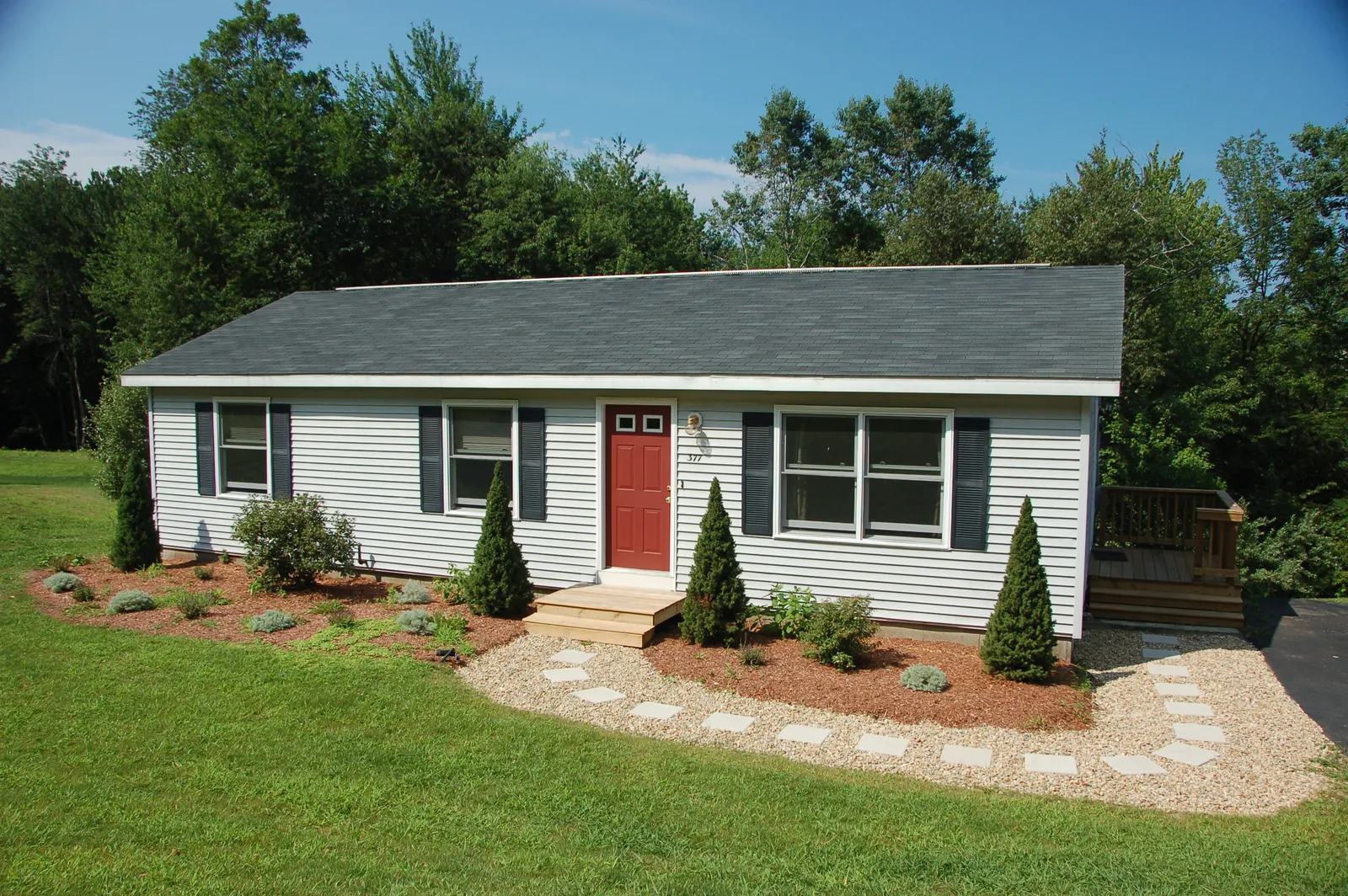
Two warranties land on an Overland Park roof from two different parties
Two certificates come with a finished roof, and they're issued by two different companies. One covers the shingles themselves; the other covers how those shingles went on.
A roof goes on in August, and by its third spring the gutters are full of granules. Whether that's a flaw in the shingle or a nailing pattern that let wind under it is what decides who pays, so the first thing to figure out is which certificate you're holding. The manufacturer's name sits on one, your roofer's sits on the other, and ours sits on neither. Hail and wind fall outside both of them in June and in November alike: storm damage is an insurance question with its own deductible.
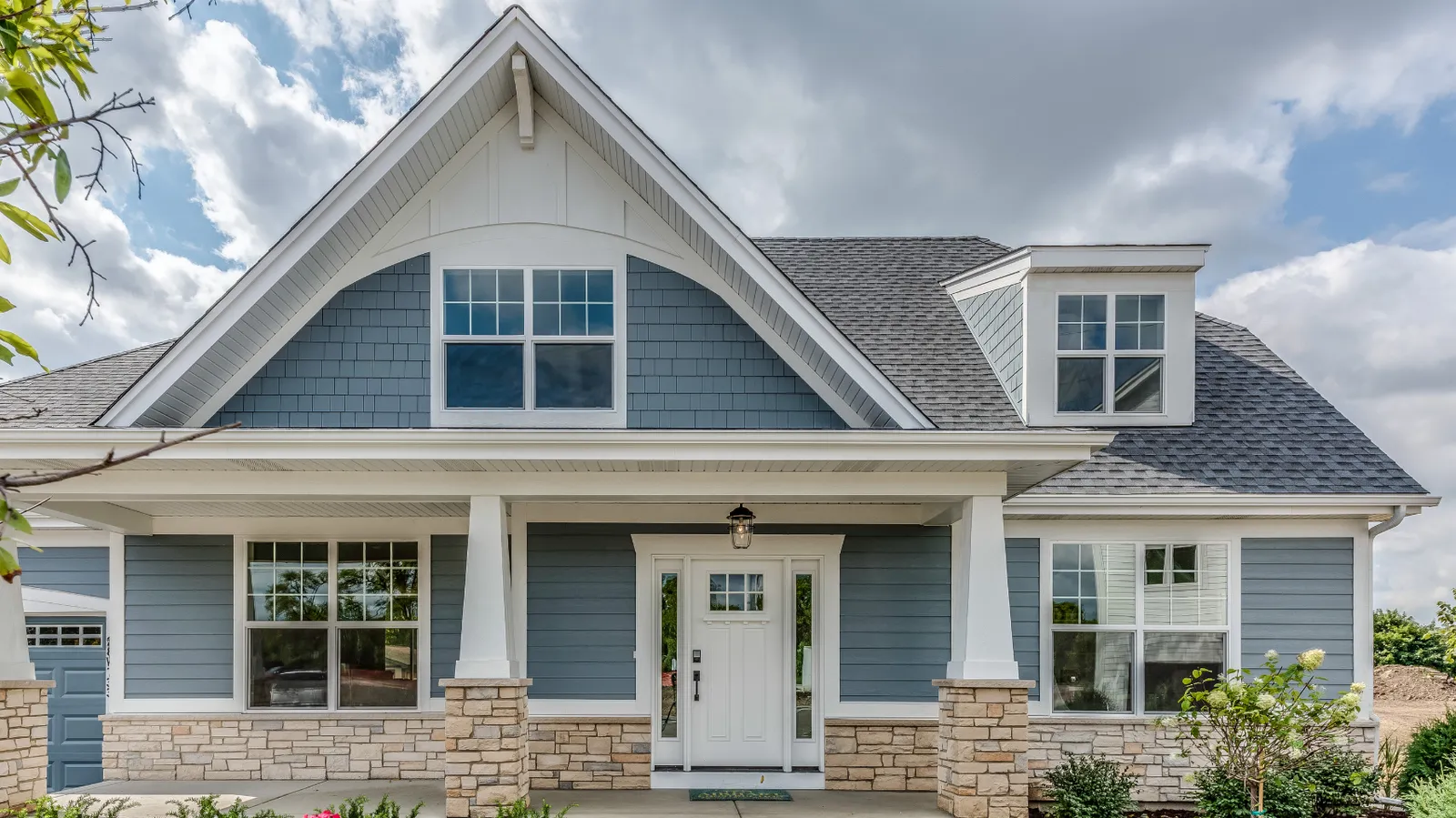
Manufacturer coverage, workmanship coverage, and who backs each one
Terms swing by manufacturer, by product line and by who installs the roof, so what's here is the shape of the two documents and the spread you can expect to see. If you're weighing shingle grades at the same time, the covering you settle on moves the material side of this.
| Manufacturer (material) | Workmanship (install) | |
|---|---|---|
| Covers | Defects in the products: shingles, underlayment, ridge, approved accessories | Defects in the installation: flashing, nailing, sealing, and leaks caused by how it went on |
| Backed by | The manufacturer that made the products | Your roofer, or the manufacturer itself on an enhanced system program |
| Typical term | 10 to 30 years, or a limited-lifetime term | Around 2 to 10 years as standard, and 20 to 25 years or more on manufacturer-backed programs |
| Does not cover | Poor installation, neglect, storm damage | Product defects, storm damage, failures from neglect |
| The common gap | It won't pay when the failure traces back to the install | It's only as good as the company behind it, unless a manufacturer backs it too |
| What to ask for | The product certificate and the registration deadline | The term in years, and whether a manufacturer stands behind it |
These are the ranges the industry works in, and they aren't a promise from us. The terms that apply to your roof are the ones printed on the certificates the manufacturer and your roofer hand you.
Voided or still good is decided by ordinary things homeowners do
Most denied claims don't trace back to anything dramatic. They trace back to something ordinary that happened years earlier, and these are the ones that keep coming up.
- A second layer over the old roof: new shingles laid over old ones shorten or void most material coverage, and they hide whatever the decking is doing underneath.
- A repair by someone other than your own roofer: outside work on the field can end the install coverage, and so can a satellite dish or a solar mount that puts fresh holes through it.
- Attic ventilation below what the manufacturer calls for: trapped heat cooks shingles from underneath, and that voids most shingle warranties on its own.
- Pressure-washing or foot traffic across the field: both count as owner-caused damage on most programs, so it's worth keeping people and machines off a roof you want covered.
- A certificate that never got registered inside its filing window: unregistered coverage is the easiest kind to lose, and the deadline is usually counted in days from the day the job finished.
- A sale with the transfer never filed: most programs allow one move to the second owner, commonly inside 30 to 60 days of closing, and coverage sometimes steps down when it goes across.
Coverage tends to survive for boring reasons. The old roof came off instead of being layered over, the attic vents to the manufacturer's spec, the certificate went in on time, and nobody's been up there walking around since.
Lifetime and limited-lifetime are not the same promise
Seven questions, starting with the word that causes the most trouble. After that: what happens when the house sells, where hail sits relative to all of this, and who you call when the company that did the work isn't around anymore.
What does a lifetime shingle warranty really mean?
Does a roof warranty transfer when the house sells?
Is hail damage covered by a roof warranty?
Who do I call first when something fails?
What happens if the roofing company goes out of business?
Does registering the warranty matter?
Does an enhanced system warranty cost more?
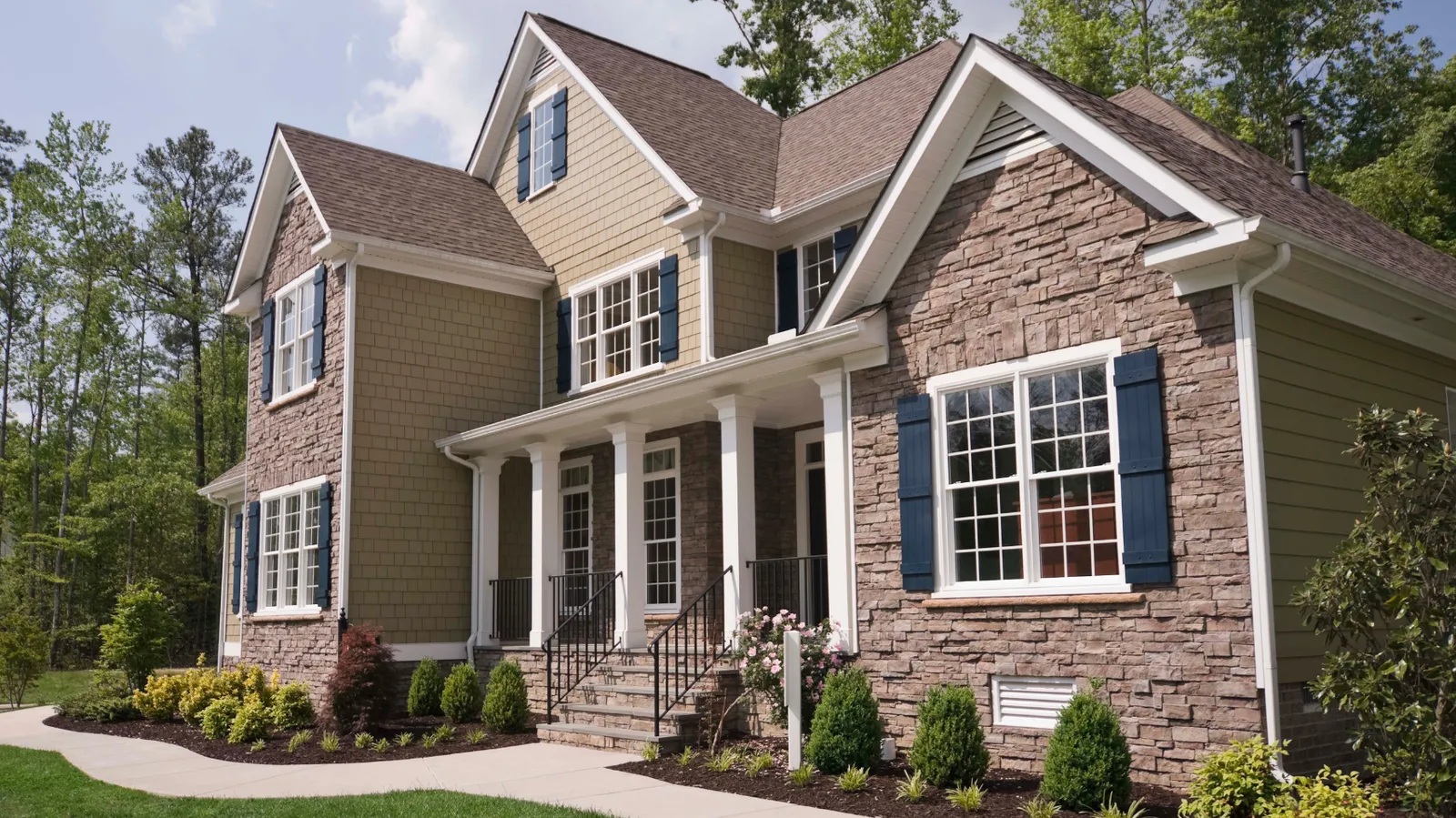
Whose promise it is on an Overland Park roof warranty
Your roofer signs the workmanship term, and the manufacturer's material coverage comes with the products. Send your address and the question you have, so our roofer can go through both with you while you're still deciding.
Prefer to talk? Call now: (913) 210-3890
Warranty terms differ by manufacturer, by product and by roofer, so the ones that hold on your roof are the ones on your own certificates.
A Johnson County roofer answers with their own terms.